Across generations
Over spans the malevolent look has acted as a beloved custom among societies internationally. This enduring ritual focuses on recognizing that a vicious glower, typically derived from grudges or nasty aims, can generate problems. Safeguarding trinkets, generally presenting a dazzling blue concept, are used to resist this damaging impact. They behave as a secure barricade, redirecting the negative forces back to their source and assuring safety for the beneficiary. Lots of users enjoy peace of mind and defense with this significant charm
Chic Security: Evil Eye Ring Movements
The modern fashion in trinkets is definitely the evil eye ring, delivering a remarkable fusion of look and age-old security. These eye-catching loops, displaying the traditional sapphire pattern, spread broadly, ranging from luxury shops to digital stores. Buyers are progressively attracted to their understated allure and the faith that they repel harmful vibes. Whether looking for a clean motif or a statement element, the evil eye ring continues as a trendy pick, representing a personal expression of style and a desire for good fortune.
Perceiving the Harmful Look: Shielding Trinkets and Vitality
The historic conviction in the malevolent gaze is common among numerous societies, mainly in the Mediterranean basin and adjacent territories. It suggests that a harmful glance, usually arising from spite or resentment, may cause adversity to the target. To avoid this alleged harmfulness, society has conventionally worn protective jewelry and baubles, and today, baubles with the well-known teal marking are frequently preferred. These striking items, commonly built from stone, are considered to reflect negative forces, supporting harmony and operating as a defense against the harmful effect. Numerous imagine bearing these charms supplies rest and guards from danger.
Beyond Style: How Nazar Protection Jewelry Acts
While usually interpreted as a modern supplement, nazar shield accessories carry age-old ancestries bound to traditions across several communities. The ritual arises from the concept that harmful forces emanate from spiteful gazes, potentially inducing misfortune. These trinkets – comprising cuffs, chains, and loops – are said to repel this negative vibration by deflecting or diminishing it. Various patterns display the renowned nazar sign, usually joined evil eye jewelry with other auspicious marks like the Hamsa figure. It's not just about looking good; it’s about carrying a symbol of spiritual defense.
- Shields against bad forces.
- Affords sacred refuge.
- Serves as a sign of positivity.
The Roots & Value of Nazar Bands
Originating in ancient cultures of the Middle East, evil eye rings boast a rich history. Regarded as guarding against the spiteful look, their essence is discovered in preventing bad fate. Original structures evolved as symbolic baubles and charms possessed by collectives seeking security and health. The image of the stare, usually painted in colors of indigo and pale, is crafted to repel negative influence to the beginning. For millennia, the practice has spread extensively, with nazar jewelry gaining a widespread appeal as guardian and fashionable pieces.
Choosing the Right Evil Eye Jewelry for Your Needs
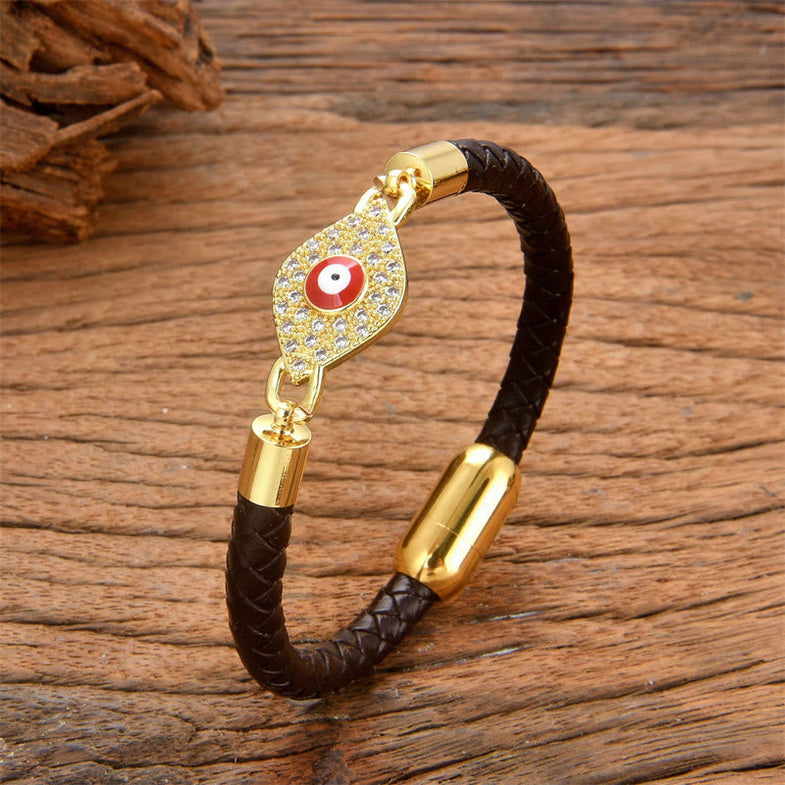
Selecting a perfect evil eye jewelry can feel overwhelming, but understanding its significance is key. Deliberate over the nature of preservation you look for. A cerulean ocular emblem is conventionally considered to prevent ill effects, while distinct pigments – such as vermilion or saffron – may deliver extra protection layers. Evaluate the extent and texture too; a mini ornament appears low-key, whereas an extensive accessory yields a vivid emphasis. In the end, pick an item that appeals to your spirit and seems genuine.
Evil Eye Baubles: A Primer on Parts and Symbolic Value
Across epochs, the nazar has functioned as a strong token supplying shelter from destructive forces. Frequently found in assorted populations, notably around Mediterranean shores, evil eye ornaments are more than stylish commodities; they signify old-fashioned amulets. The frequently used constituents consist of crystal, mainly created to mimic an azure gaze, while other hues such as emerald and crimson are also applied. The optic symbol embodies an outward look, intended to deflect negative negativity, and is usually accompanied by other warding icons like the Khamsa, composing an intricate network of mystical trust.
Tiered Guarding: Composing Your Evil Eye Ornament Set
Forming an elegant hierarchical set of your blue eye tokens passes aesthetics; it raises protective energies. Establish your composite appearance with a fragile choker close to your chest, then add bracelets of different dimensions, permitting each charm to sheen. Always include bands on every finger—a meaningful token. Conclusively, a loud blue eye pendant on a long chain can make a forceful centerpiece. Practice mixing metals such as tungsten, cobalt, or zirconium to boost your exclusive aesthetic and design a custom safeguard line.
Nazar Bands: Beyond a Beautiful Ornament
Far from their stylish form, evil eye ornaments display a complex history, at first derived from old customs of the Middle East. Those unique bands outgrow mere trendy additions to your ensemble; they’re understood as giving substantial guarding versus the spiteful look – what followers mention as the “harmful gaze”. Using one is thought of as a strategy to prevent harmful powers and draw prosperity for the owner.
