Brick form represents a extraordinary work type with a lengthy record, running back innumerable of eras. From ancient urns to cutting-edge exhibitions, the matter offers unique possibilities for creative manifestation. Artisans use wide-ranging techniques – including fabricating, wheel spinning, and intricate firing processes – to convert humble soil into aesthetic three-dimensional productions. The durability of fired pottery also contributes to its status as a truly important part of human tradition.
Analyzing Stoneware Tablet Layouts and Ways
The landscape of ceramic emblem design offers a considerable array of creative possibilities. Artists often employ a blend of classic and contemporary techniques to produce visually impressive pieces. These can extend from simple, sculpted reliefs to complex, multi-layered arrangements. Popular methods include the slip cast process, artisanal shaping, varnishing – which can involve numerous methods like painting beneath the glaze, overglaze decoration, and incised illustration where designs are made visible by eroding a layer of sheen. Expanded research into overlay methods such as cold firing and metallic glaze can create truly remarkable and customized ceramic shields.
- Template Making - Making pieces using a pattern
- Sculpting by hand - Directly shaping the mud
- Enameling - Spreading the exterior with a smooth finish
- Engraved motif - Exposing designs by scraping shells
Absorbing Experiences: Ceramic Art Expositions
The growing landscape of art presents exciting modern avenues for observers, and ceramic art installations are at the forefront of this transition. These aren't just static pieces; they are fabricated to envelop the viewer in a sensory experience. Imagine travelling across a forest of towering, coated ceramic trees, or navigating a labyrinth of exquisite ceramic vessels. Many creators are now incorporating acoustics, visuals, and even bouquet to enhance the effect of their work. Contemplate the power of a room filled with hundreds of meticulously ceramic objects, each telling a chronicle. Often, such installations explore themes of natural world, memory, and personhood.
- The described installations blur the boundaries between design and architecture.
- Participating in a ceramic art installation can be a deeply personal journey.
- Makers are transporting the constraints of what is realizable with clay.
A Splendor of the Ceramic Urn: Meaning and Design
The porcelain vase represents a admirable amalgamation of practicality and creative appeal. Historically, these pots served a simple purpose in preserving flowers, but their transformation has transformed them into highly valued works of mastery. Each element showcases the talent of the maker, demonstrating how contour can be as significant as role. The thoughtful shaping, the rare glazes, and the general presence of a expertly-built holder can raise a space, offering both beauty and a understated reminder of the artisan’s hand.
Contemporary Pottery Work : Reaching Margins
State-of-the-art pottery form represents a fascinating change from established practices. Artisans are intensely probing with innovative methods, challenging the divisions between creation and distinct aesthetic areas. From immense installations to elaborate miniature pieces, noted works probe themes of character while together recasting the basic of what porcelain can represent. The outcome is a vibrant field of artistic design.
Clay Plaque: Preserving Annals in Brick
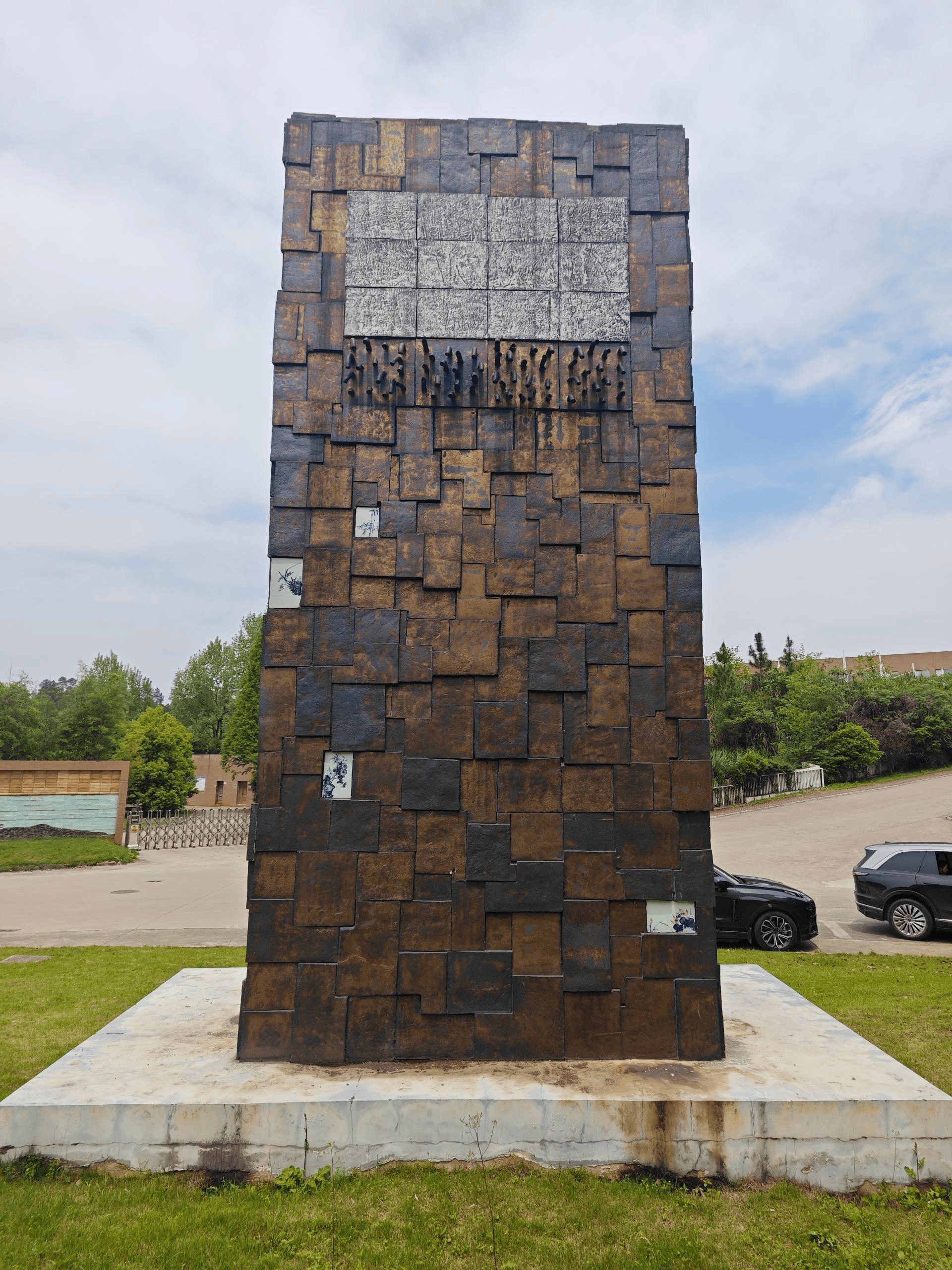
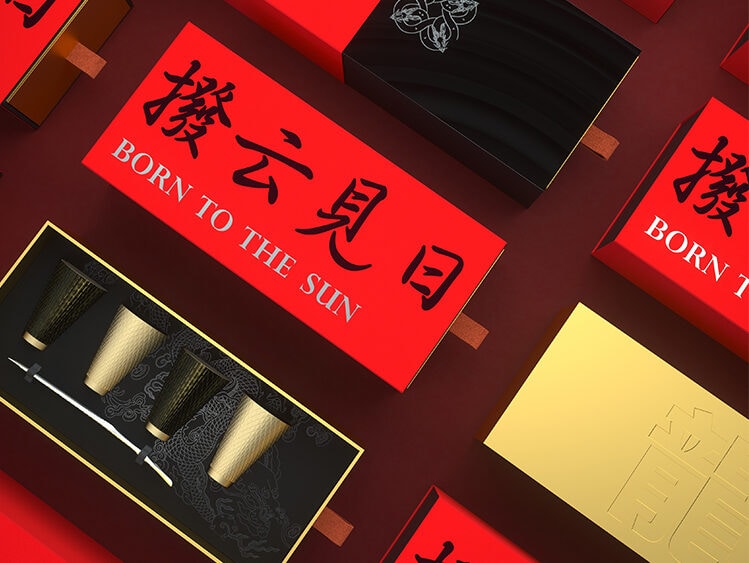
Porcelain plaques offer a exceptional method for preserving significant events and characters. As opposed to traditional metal or stone markers, these tough pieces of work are formed from baked clay, creating a physical link to the past. Typically, they highlight intricate etchings or carefully illustrated imagery, conveying stories that might otherwise be lost. The technique, going back Ceramic Cup Set to ancient folk, provides a captivating and enduring way to commemorate our collective record.
- The described can be positioned in communal spaces.
- Many are now recognized historical objects.
Pottery Art Assemblies: Remodeling Locations
Pottery art installations are materializing a strong medium for sculptors to revise public and private areas. These immersive designs frequently involve considerable clay figures that captivate viewers, reshaping their view of the constructed environment. By integrating diverse processes like hand-building and advanced firing processes, ceramic artists assemble truly remarkable experiences, overlapping the separations between sculpture and setting. The result is often a strong alteration that boosts the visual quality of the venue and encourages discussion.
Beginning Spindle to Marvel: The Practice of the Clay Jar
The journey of a ceramic urn from a simple lump of terracotta to a refined work of composition is a testament to human creativity. Originally, the process begins with the potter’s rotating tool, where the knowledgeable artisan forms the rotating soil into a cylindrical design. This first period demands skilfulness and a trained eye, followed by a delicate solidifying period. Once bisque-fired, the container is ready for beautification, which may involve coating intricate designs, incising detailed pictures, or using a range of textures. The final baking process then modifies the product into a durable and eye-catching container, a tangible example of the maker's creativity.
Modeling with Brick: A Guide to Stoneware Project
Immersing the area of porcelain art begins with knowing the principles of forming with terracotta. A process involves methodically assembling and taking away components to make three-dimensional creations. If you're a starter or a master practitioner, experimenting with different types of earthenware – like porcelain – will enable you find your distinctive voice. In the end, pottery pottery is a fulfilling adventure that unites technical skill with inspired expression.