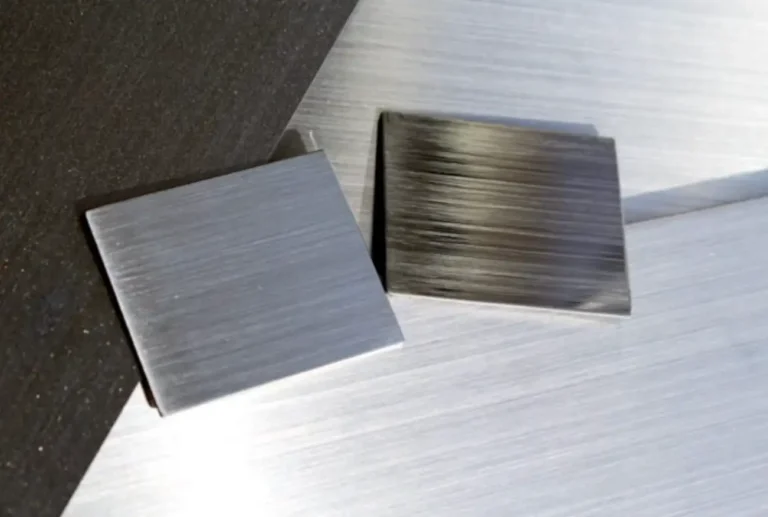
Embarking at detailed overview with respect to intelligent apparatuses engineered for edge finishing feature innovated manufacturing routines, ensuring significant upsides regarding tempo and standard. The following discusses the diverse types of deburring solutions, made up of media spraying modules, rotary instruments, and sophisticated programmed applications. We will explain the pros of incorporating such innovations, consisting of decreased manpower requirements, improved component reliability, and reinforced operational output.
Outline Chamfering Devices: Accurate Finalizing Defined
Profile smoothing machines offer a modern solution for realizing precise completion on objects. Unlike manual approaches, these self-operating systems ensure stable benefits and considerably raise creation capacity. Such systems frequently adopt various buffing devices like twisting rotors, glossing abrasives, or bespoke designs to clear sharp borders and imperfections. This type of function is key in a broad scope of domains, containing medical and electromechanical.- Improve part standard
- Curtail workshop costs
- Elevate volume and capability
Impurity Cleaning Units: Gaining Clean, Top-Notch Appearances
Modern casting operations reliably give rise to significant amounts of contaminants, a byproduct that, if neglected, can severely weaken the condition of the deliverable. Fortunately, advanced scraping systems offer a robust solution. These tailored machines, employing techniques like abrasion, are designed to exhaustively eliminate this unwanted material, ensuring a flawless and top-tier surface. The resulting enhancements include cut rejection rates, improved aesthetic appeal, and an overall gain in operational performance. By utilizing pioneering slag removal technology, manufacturers can consistently deliver premium surfaces and fulfill stringent requirements.
Sheet Fabrication Finalizing: The Benefits of Deburring Devices
Attaining a top-level appearance on sheet metal elements is crucial for performance, and deburring appliances extend important improvements over non-automated methods. Removing burrs speedily not only enhances the superficial quality of the item, but also minimizes foreseeable issues during assembly and deployment. Furthermore, mechanized deburring means improve creation times and diminish workforce charges.
Elevating Sheet Metal Production with Automatic Deburring
So as to strengthen output in sheet metal manufacturing, implement self-operating deburring methods. Physical deburring is habitually labor-intensive and subject to sheet metal edge rounding solutions variations. Transitioning to automatic deburring presents significant improvements, encompassing minimized workforce requirements, augmented output reliability, and increased manufacturing yield. This funding will promptly generate profits.Electing the Perfect Deburring System for Your Task
Selecting the top deburring mechanism for your particular needs is a careful assessment of several elements. First, evaluate the kind of substance you're processing – the metal requires varying techniques than composites. Next, consider the size and geometry of the parts needing deburring. Finally, think about your throughput level; a heavy-duty operation requires a specialized type of system than a occasional one. Overlooking to take into consideration these points may result in inadequate results and expanded expenses.
Edge Machine Process: Movements and Breakthroughs
Recent surface smoothing apparatus technology is subject to rapid change, motivated by the required for increased correctness and productivity in activities workflows. Critical developments involve the adoption of programmable systems for adjustable finishing operations, alongside improvements in polishing application. We're furthermore witnessing a surge in easily carried deburring devices intended for exclusive jobs, and new methods like magnetic polishing are attracting traction. The prospect indicates towards strengthened coupling of burr removal mechanisms within the smart operation surroundings.
Upgrading Engineered Element Durability with Outline Beveling
Many forming processes for iron parts introduce sharp edges, which can bring about stress zones and weaknesses that damage overall strength. Border rounding, a simple yet influential process, offers a straightforward solution. It involves slightly softening the harsh edges of a part during the assembly stage. This diminishes stress regions, boosts fatigue strength, and can avoid rupturing. Benefits are further amplified when dealing with intricate structures or parts subjected to significant weight. Considerations include the ideal curvature of the shape and its bearing on integration with other modules.
- Minimizes Stress Spots
- Improves Functional Effectiveness
- Eliminates Rupturing
Residue Cleaning vs. Edge : Grasping the Discrepancies
While many specialists use the names “slag elimination” and “deburring” equivalently, they represent distinct operations in metal workshop processes. Edge cleanup focuses on eliminating the sharp, often tiny, spurs created during working operations—these are excess scraps of compound left on the part. Scale elimination, conversely, addresses those byproduct – typically a compound of contaminants – that arises during processes like shaping. Essentially, deburring deals with leftover rims, while slag processing deals with those remnant of a different procedure. Finally, programmable deburring and byproduct removal mechanisms are essential components of modern metal manufacturing that provide first-class finished products with lessened defects and augmented efficiency.Ending the report asserts the critical role of advanced automated deburring technologies in shaping industrial benchmarks and assisting businesses attain enhanced productivity and performance.